Garage door hardware is one of those household systems you only notice when it stops working. Yet the difference between a reliable door and a chronic problem lies in the small parts: springs, rollers, bearings, cables, and the track. I have spent years scheduling installs, troubleshooting morning calls, and watching customers bypass small investments that would have saved them time and money. Monacco Garage Door Services approaches hardware with one principle in mind, practical longevity over cheap fixes. This article explains what matters, and why, with practical steps you can act on today.
Why hardware matters more than style
A new door panel can make a house, but hardware determines how that door performs for years. You can buy the fanciest insulated sectional, but if the springs were undersized, or the rollers are stamped steel, you get noise, uneven travel, and earlier failure. Hardware quality affects safety too. A snapped spring or frayed cable can cause the door to fall or jam, risking injury or damage. I once replaced a homeowner’s cheap springs twice in 18 months; the original installer had sized them for a lighter test load instead of the fully assembled door. The second time we upgraded to heavier-duty springs and the calls stopped.
Common failure points and how to spot them
Springs. Torsion springs do most of the heavy lifting. If the door feels heavy, opens unevenly, or the opener strains and overheats, springs are likely the culprit. Look for gaps in wound coils or rusty, pitted surfaces. Springs are under dangerous tension, so replacement should be left to professionals, but you can note symptoms and act early.
Rollers and bearings. Rollers run along the track and determine smoothness and noise. Nylon rollers with sealed bearings reduce friction and last longer than basic steel rollers. If the door shakes, binds, or sounds like nails on a chalkboard, worn rollers are usually to blame.
Cables and drums. Cables work with springs to lift the door. Fraying, uneven winding on the drum, or loose strands are immediate red flags. A frayed cable can snap and cause sudden door collapse. Check visually and listen for unusual grinding as the door traverses its arc.
Tracks and alignment. Dented or misaligned tracks cause rubbing and premature wear on rollers and can strain the operator. Lightly run your hand along the track to feel for dents and visually confirm it stays perfectly vertical and level along curves.
Hinges and brackets. These are the unsung structural pieces. Loose hinge bolts, sagging pivot points, and sheared screws accelerate wear elsewhere. Tighten and inspect them annually, replacing any that show elongation of bolt holes or corrosion.
Choosing hardware that lasts
Not all replacements are equal. A spring labeled only by wire size and coils tells part of the story, but spring life is measured in cycles. Commercial grade springs might be rated for 25,000 cycles, residential for 10,000. If you plan to live in the house a long https://seoneoapi.blob.core.windows.net/garage-door-company-belmont-ma/garage-door-supplier/relocation-tips-working-with-garage-door-company-belmont-ma-in-belmont-ma.html time, paying for higher cycle-rated springs is cheaper than repeated replacements. In my shop we routinely recommend springs that increase rated cycles by 2 to 3 times for customers who value reliability.
Rollers: sealed ball bearings and nylon wheels cost more upfront, but reduce noise and cut down on daily wear. I replaced stamped steel rollers with nylon, sealed-bearing rollers on a mid-century home and the traffic-room noise dropped by more than half. The customer reported the opener ran cooler and the door felt smoother, which aligns with what the instruments showed.
Cables: use aircraft-grade or galvanized cables sized properly for the door. Thicker cables might slightly increase inertia but greatly reduce stretch and fraying. Match cable diameter to drum design, and where possible choose drums with angled grooves that help the cable seat and wind evenly.
Operators: don’t oversize or undersize. An overpowered operator can be as problematic as an underpowered one, because it can mask spring imbalance and allow the door to be forced, increasing wear. Choose an operator that matches door weight, travel speed preferences, and feature set like battery backup or soft start/stop.
A practical maintenance routine that works
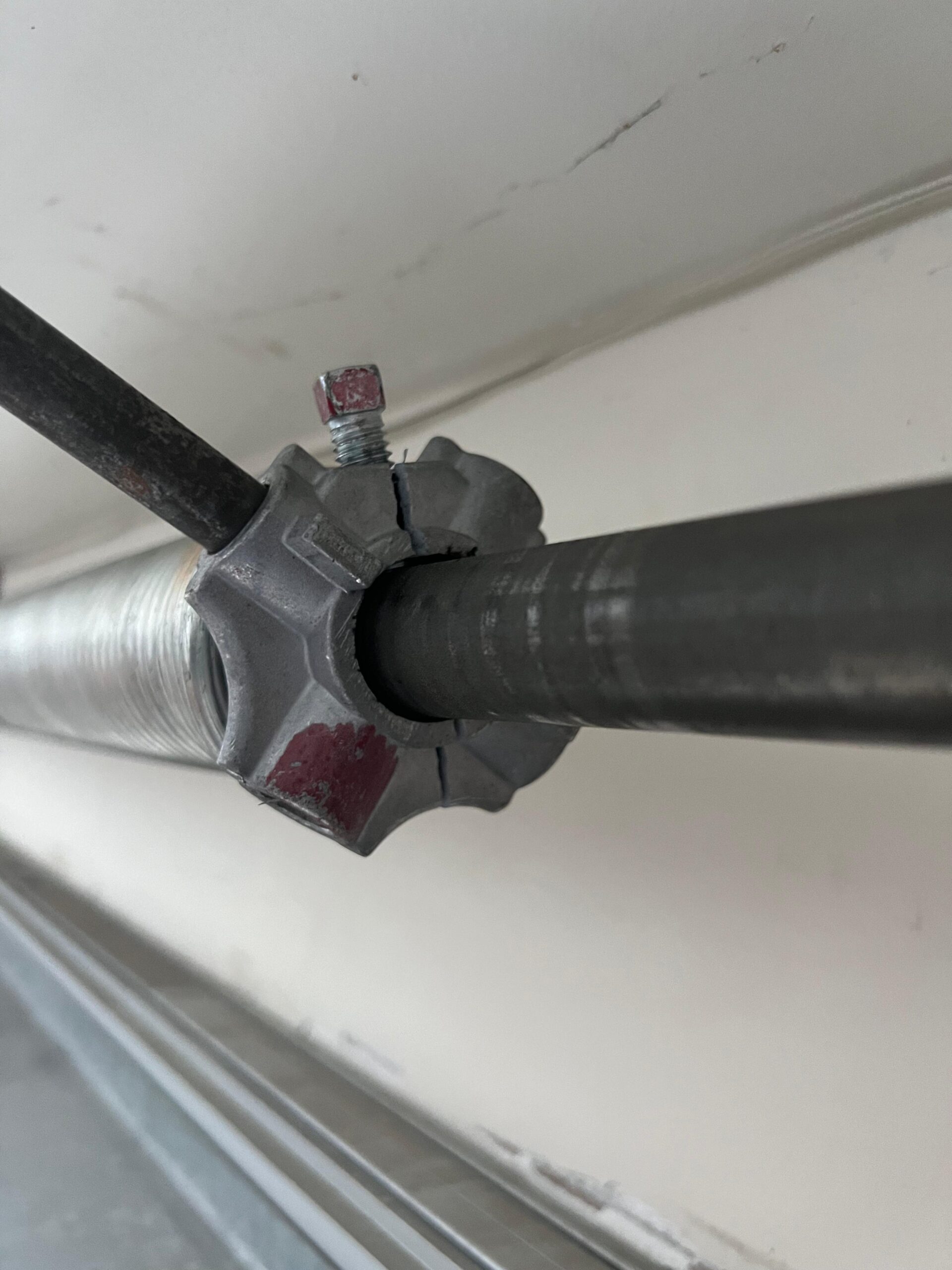
There are dozens of checklists floating online, but experience taught me that homeowners stick to routines they can do in 15 minutes. Below is a short, effective maintenance checklist you can perform quarterly. These steps reduce emergency calls and extend hardware life appreciably.
- visually inspect springs, cables, rollers, and mounting hardware for wear and damage; note any fraying or gaps lubricate rollers, hinges, and springs with a manufacturer-recommended lubricant, avoiding heavy grease on tracks test the balance by disconnecting the opener and lifting the door manually halfway; a properly balanced door stays put operate the auto-reverse safety feature against an object about the height of a phone book, ensuring the door reverses on contact tighten loose hardware bolts and fasteners, but do not attempt spring tension adjustments
If the balance test fails, or if the auto-reverse does not react reliably, stop and call a professional. Those two tests quickly indicate whether wear has progressed to a dangerous point. In one job, a homeowner who followed this simple routine caught a failing cable before it frayed through; we replaced it and the associated drum, avoiding a costly panel bend.
Lubrication, the right way
Lubrication is often recommended, but improperly done lubrication creates more problems than it solves. Never coat the track in oil. Tracks should be kept clean and dry; lubricating tracks attracts grit that turns into abrasive paste. Focus lubrication where metal rubs on metal: springs, rollers that have exposed balls, hinges, and bearings. Use a light garage door lubricant or a silicone-based spray for nylon rollers. Apply sparingly, wipe excess, and operate the door several times to work the lubricant into moving parts.
For torsion springs, spray the inside of the coils. This reduces friction where coils compress and extend, and helps slow down rust. For open-bearing rollers, apply a small amount on the bearing seats. For garage door openers, check the chain or belt manufacturer recommendations; belt drives generally need little to no lubrication while chains benefit from a light coating.
When to repair and when to replace
Every hardware component has a repair threshold. A bent hinge can sometimes be bent back and reused, but hinge holes that are elongated or torn mean replacement. Rollers with damaged wheels should be replaced; replacing a roller and not addressing a worn track leaves the problem recurring. Springs and cables, when compromised, demand immediate replacement.
I use a simple economic rule of thumb when advising clients: compare the cost of the repair to the remaining expected life of the system and to the cost of replacement with a superior-quality upgrade. If a door has had repeated hardware failures within two years, it is usually more economical to upgrade to higher-cycle springs, sealed bearings, and reinforcements. Often, the additional investment pays back in fewer callbacks and more consistent performance.
Safety upgrades worth the expense
Two upgrades I consistently recommend are redundant bottom brackets and a safety cable for extension springs. Redundant brackets add a second fastener path, preventing the bottom corners from separating if one fastener fails. Safety cables run through extension springs and prevent the spring from flying loose if it breaks. Both are low-cost and high-impact.
Photo-eye alignment is another safety area. If the photo-eye sensors that detect obstructions are glazed, dirty, or misaligned, the door may not reverse reliably. Clean the lenses with a soft cloth and test the beam regularly. If alignment keeps shifting, investigate cable stretch, loose mounts, or a settling foundation that tilts the bracket.
Upgrading to smart and backed-up systems is more than convenience. Battery backup operators keep the door operable during outages and help with safety protocols. Integrated manual release locks prevent forced entry and should be considered in areas with higher break-in risk. These features add cost, but for many homeowners the combination of safety and peace of mind is worth it.
Trade-offs and budget decisions
Nothing here is absolute. You will balance budget, aesthetics, and how long you plan to stay in your home. A starter homeowner who plans to move in a year might accept stock hardware, but if you plan to stay, invest in longevity. There are diminishing returns: the highest-tier springs and sealed bearings with stainless steel hardware are ideal for seaside properties where salt accelerates corrosion. For inland homes, a mid-tier upgrade yields most of the benefit for considerably less cost.
Another trade-off: roller replacement versus full track realignment. If the track is significantly damaged, replacing rollers alone is a short-term fix that quickly leads to more replacements. Budget permitting, address the root cause. I once replaced rollers three times on a house before persuading the owner to let us realign and straighten the track; the door has been quiet since.
Why choose a local specialist like Monacco Garage Door Services
Choosing a local Garage Door Company Belmont MA matters because climate, building styles, and local code vary. A company familiar with Belmont MA homes knows the common garage widths, typical opener orientations, and the local freeze-thaw impact on hardware. Monacco Garage Door Services combines that local knowledge with a focus on durable hardware. We standardize on higher-cycle springs, recommend nylon with sealed bearings rollers as the baseline, and use stainless or hot-dip galvanized fasteners in damp microclimates.
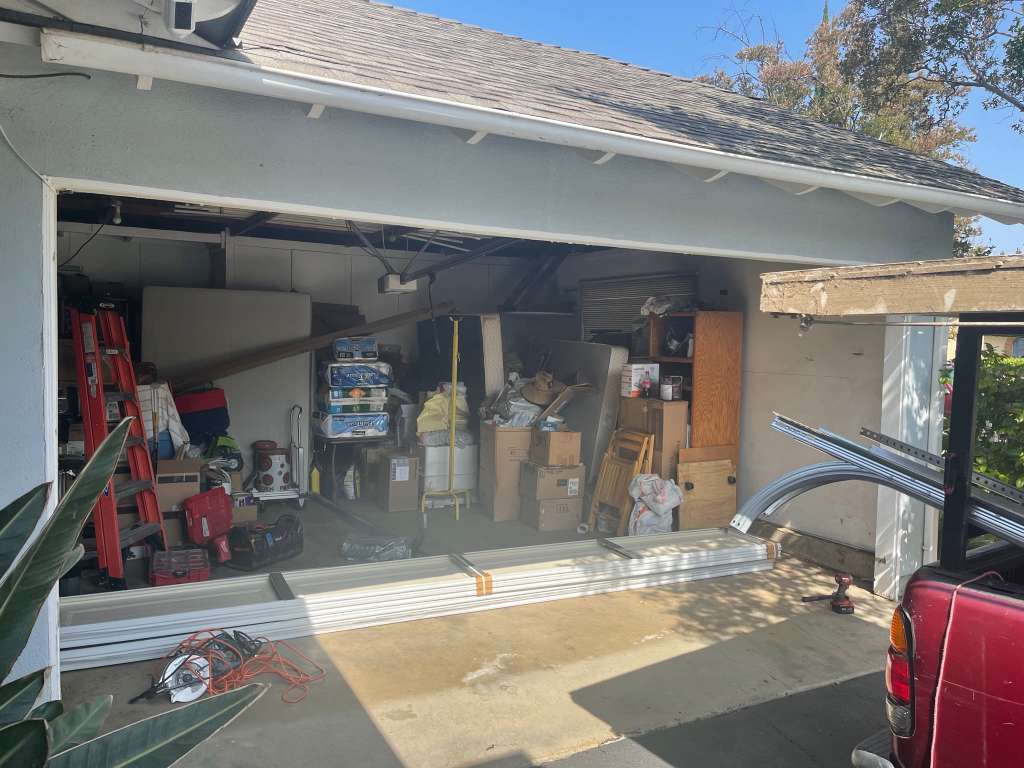
More importantly, a local company provides quicker response times and accountability. When a technician knows they will be back the next year for routine inspection, work quality tends to be higher. We document torque settings, spring measurements, and cable tension so future technicians or homeowners have a clear record. That documentation matters when a door develops a long-term nuance, such as a slight panel warp that requires compensating hardware choices.
Real examples from the field
A family in Belmont had a door that squealed and hesitated on cold mornings. Their opener was rated for residential cycles but the springs were undersized and rusted. We installed heavier duty, 20,000 cycle springs, switched to sealed-ball bearings rollers, and replaced corroded fasteners with stainless steel. The door now moves smoothly even at 25 degrees, and the homeowner told me the opener runs quieter and with less heat buildup.
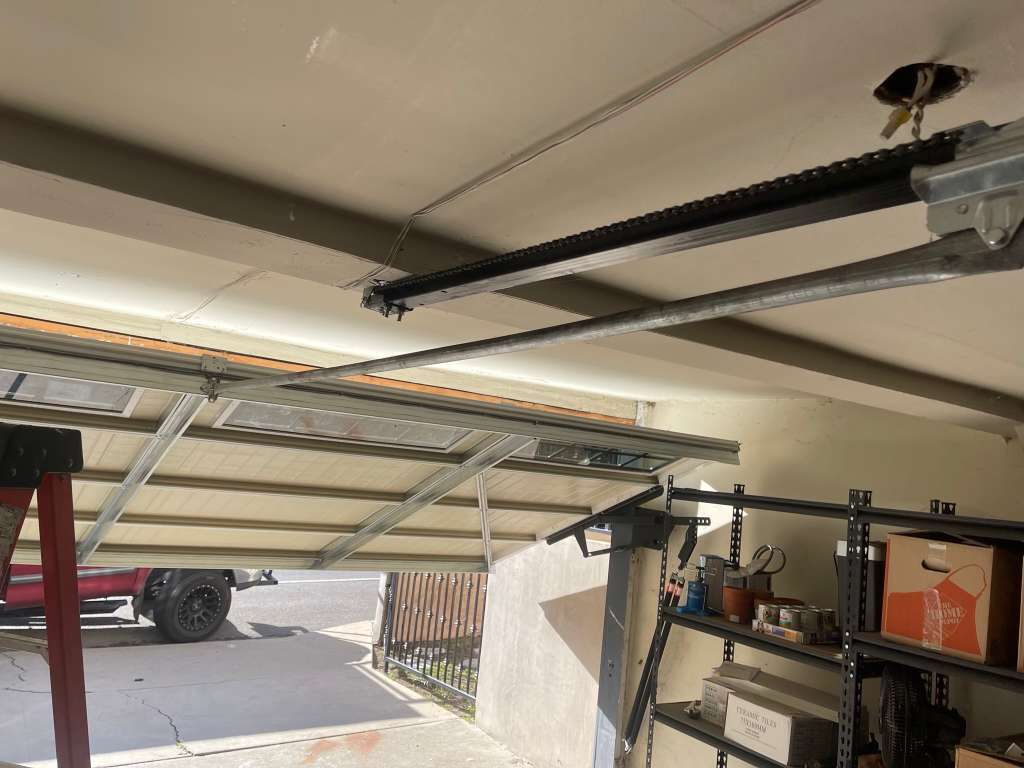
Another case involved an older detached garage with extension springs, where a cable snapped and bent a bottom corner inward. The owner had delayed replacing the safety cable because of cost. We replaced the cable, installed redundant bottom brackets, and recommended a full conversion to torsion springs as the next step. The conversion was more expensive, but eliminated the recurrent hazards and reduced long-term maintenance.
What to ask your service provider
When interviewing a technician, ask for spring cycle ratings, roller type, cable material, and whether fasteners are stainless or zinc-coated. Request torque or tension records and a description of the balance test they perform. A reputable Garage Door Company Belmont MA will explain trade-offs plainly, give an estimate for parts and labor separately, and offer a warranty that matches the parts they install. Be wary of vague promises like low cost without specifics.
Final practical checklist before you hire
When preparing for service, clear the workspace and secure pets. Photograph the door and note any symptoms: unusual sounds, times of day when it fails, or weather conditions that trigger problems. Ask the installer to walk you through what they replaced and why, and to demonstrate the manual release procedure and auto-reverse function after service. Ownership of those simple tests reduces misunderstandings and makes maintenance straightforward.
A persistent, quiet system is possible with the right hardware and routine
Garage doors are mechanical systems that respond predictably to good choices and regular care. Select higher-cycle springs if you plan on longevity, use sealed-bearing nylon rollers for quiet operation, keep tracks clean, and never ignore frayed cables or malfunctioning auto-reverse systems. Monacco Garage Door Services and other trusted local Garage Door Company Belmont MA professionals can help make informed decisions that align with budget and risk tolerance. The small investment in the right hardware pays dividends in fewer emergency calls, improved safety, and a door that simply works every time you need it.
Monacco Garage Door Services
687 Belmont St Unit A, Belmont, MA 02478
+1 (617) 927-9512
[email protected]
Website: https://monaccogaragedoorservice.com/